Your first business idea might already be part of your everyday life.
Start with what you know, notice who it helps, and give one small offer a chance.
Find your starting kitThat thing people keep asking you to help with might deserve more than a quick “oh, it’s nothing.” Your eye for design, your organizing habit, or the way you make a complicated task feel simple could be the beginning of a focused offer.
You can explore that possibility without turning your whole life upside down. Start by noticing the request, naming the person it helps, and giving one small version a chance.
Moving from hobby to business begins with a useful question: Who would this help, and what would they actually pay for?
A real beginning worth noticing
In Business Insider’s September 24, 2026 reporting, Kimberly Wilson describes how Brown Sugar Babe founder Maekaeda Gibbons experimented with fragrance oils at home while working at Bank of America. She began with about $300, and coworkers’ interest helped turn a personal project into a paid side hustle.
The useful lesson for a first-time business owner is the starting point: notice an interest, make something, and listen when other people respond. A founder’s individual path is an example to learn from, not a forecast of what your own business will earn.
You do not need to follow the same product idea. Your starting point could be a digital tool, a practical service, or a creative product that fits your time and skills.
Look for the things people already ask you about
Think about the last few times someone asked, “How did you do that?” or “Could you help me with this?” Those questions may reveal where your abilities are useful to others.
Perhaps you keep a busy household calendar running smoothly. Perhaps you help friends sort through crowded inboxes. Maybe you enjoy setting up a simple website, writing clear instructions, or turning a rough idea into a polished visual.
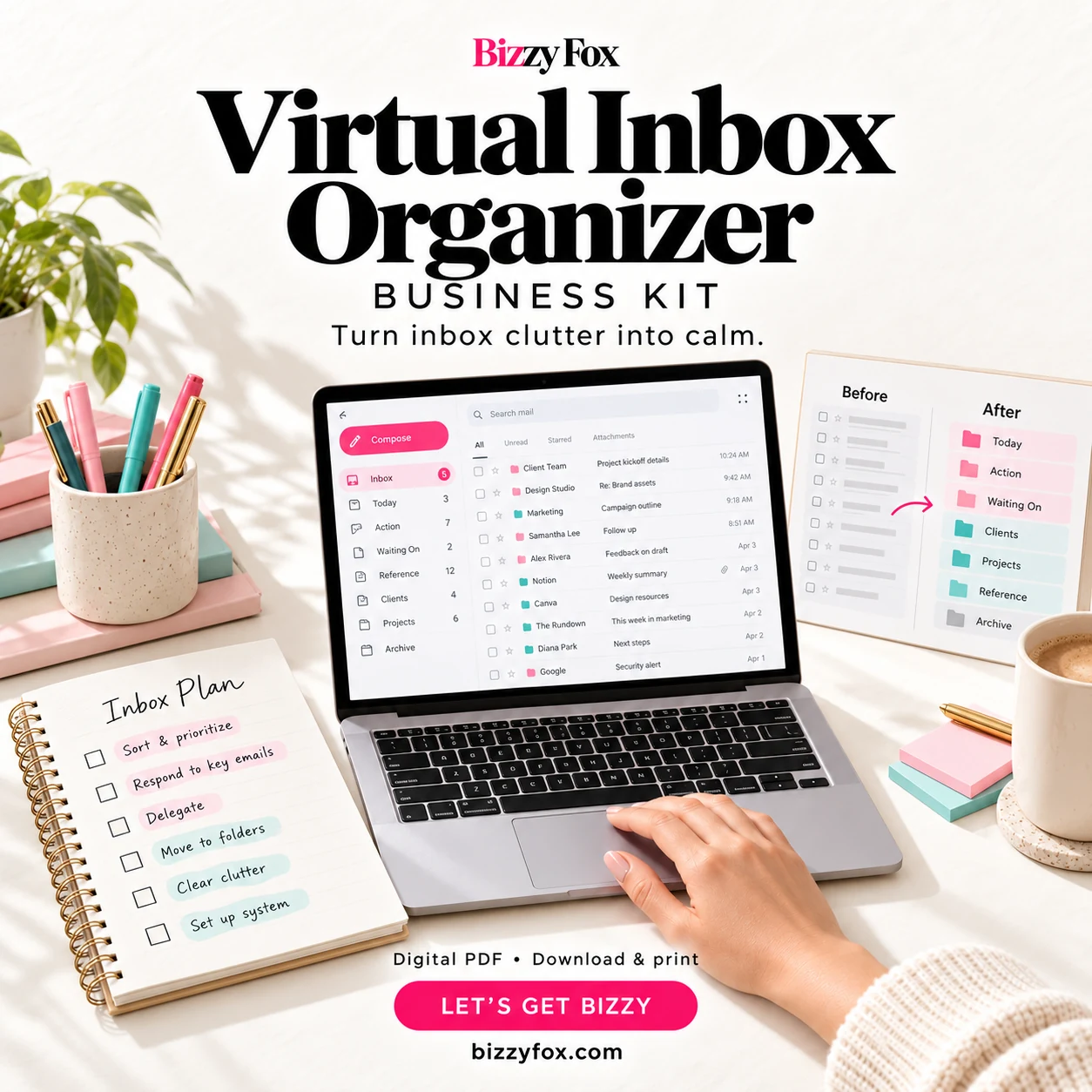
A potential home business does not have to begin with a completely new talent. It can begin by putting a familiar skill into a clear offer. If organizing is your strength, the Virtual Inbox Organizer kit introduces one service model to explore. If you enjoy visual identity, the Brand Starter Studio kit offers another starting point.
These are learning resources for planning a business. They do not replace practice, client authorization, or checking whether the service fits your experience.
Separate something you enjoy from something a customer needs
You can love an activity without wanting to sell it. You can also enjoy making something that has not yet found a paying audience. Neither means you have failed.
Before turning a hobby into a business, identify a specific person and a specific problem. “I make templates” is broad. “I make a weekly meal-planning worksheet for busy households” gives you a clearer person to talk to and a result to test.
Ask a few people who fit that audience how they handle the task today, what frustrates them, and what they have already tried. Avoid asking only whether they like your idea. Compliments are encouraging; evidence that someone needs the result is more useful.
The Next Customer Finder workbook can help you organize that thinking. For a short explanation of how to describe the offer, read From idea to first offer.
Choose a format that fits your everyday life
A home-based business can take different forms. Choose one that works with the time, space, budget, and responsibilities you actually have.
- A service: use a skill to complete a defined task for a customer, such as organizing an inbox or setting up an appointment system. Your capacity depends on delivery time and the customers you can serve.
- A digital product: create a useful file, such as a worksheet or template. You still need to test the idea, explain the product, bring people to it, and support buyers.
- A physical product: make something tangible. Account for materials, packaging, production time, storage, shipping, and any rules that apply to that product.
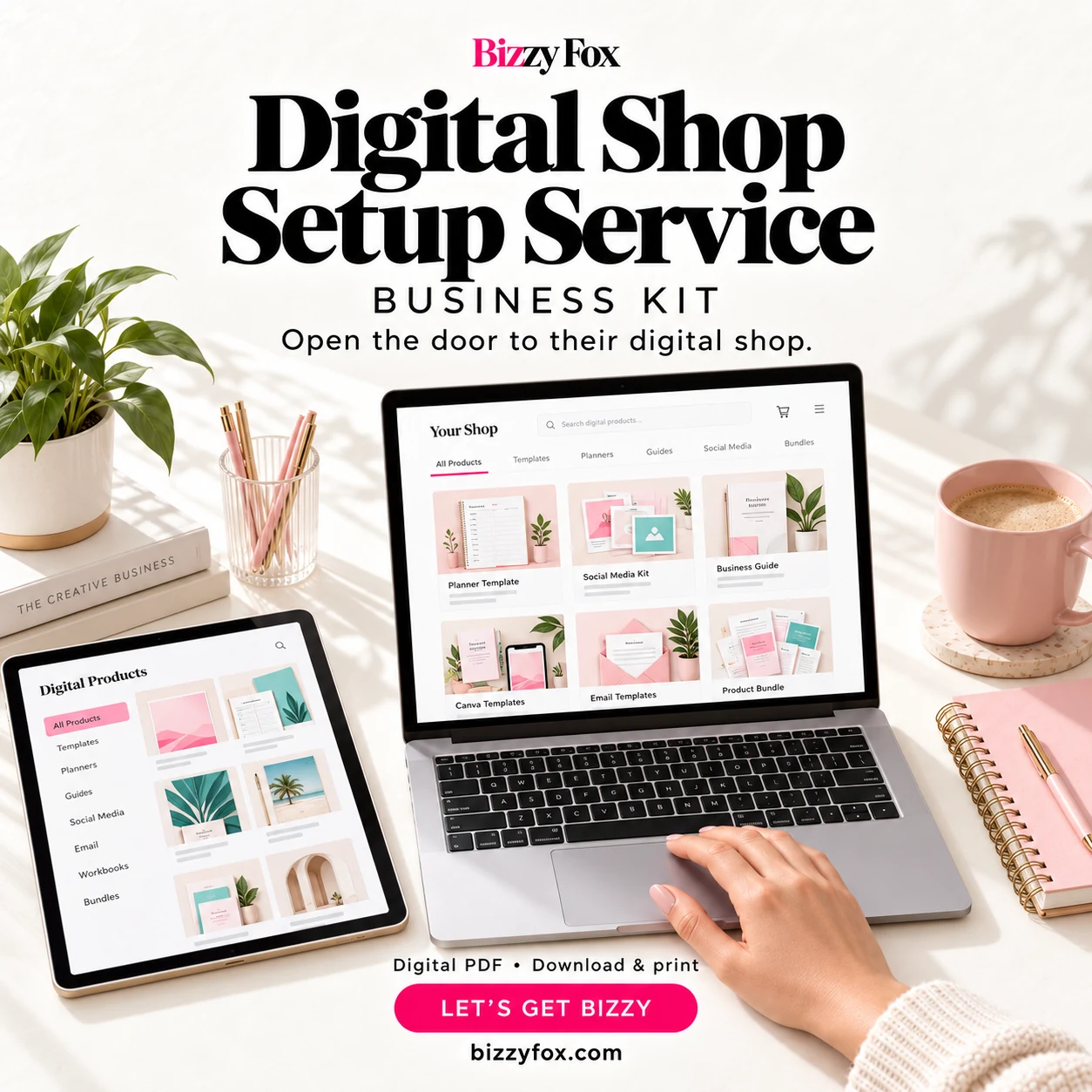
If the digital route interests you, explore the Digital Shop Setup Service kit. It introduces a business model for helping creators set up a download shop. The same planning questions—clear products, delivery, and an understandable buying experience—are useful when considering your own shop.
Before taking orders, check the costs and requirements for your specific activity. Depending on what you sell, that may include product safety, labeling, insurance, permits, taxes, copyright, or local home-business rules. A familiar hobby still needs a responsible plan when it becomes an offer.
Make the first version small enough to test
Your first offer does not need ten variations, an enormous inventory, or a complicated brand launch. Begin with one result you can describe and deliver reliably.
Write down what the customer receives, what is included, what is not included, how long delivery takes, and what it costs you to provide it. Include your time when thinking about price. A sale brings in revenue; it does not automatically create profit.
Then choose one manageable test: a sample worksheet, a clearly scoped service, or a small product batch after you have checked the relevant requirements. Decide beforehand what you want to learn. Are people asking questions? Is the offer clear? Can you deliver it within your available hours?
Use the answers to adjust the next version. You are gathering information, not trying to prove that your first idea was perfect.
Give the everyday idea a closer look
You do not have to turn every interest into income. Keep the hobbies that you want to enjoy just for yourself. But if one useful skill keeps coming up—and you are curious about offering it—give yourself permission to investigate.
A beginner side hustle can start with a familiar ability, a clear customer, and a small test. Your next business idea may already be part of your everyday life. The next step is finding out whether it can become a useful offer.
Find a kit for your next small move.
Explore completed PDF kits for three different kinds of everyday skills. Check each product page for contents and checkout availability.
Source & attribution
The Brown Sugar Babe example is drawn from Kimberly Wilson’s Business Insider article, published September 24, 2026: “She left Bank of America to start a fragrance brand with $300. Last year, it made $21 million.”
This is an original Bizzy Fox educational article using a brief attributed example. Bizzy Fox did not interview the founder and is not affiliated with Brown Sugar Babe or Business Insider. The practical framework and recommendations are our own. Individual business results are not guaranteed.
Before you give up on your idea, test who you’re putting it in front of
Before dropping an idea, take a closer look at the audience and setting.
Read the article